A person can feel pain in a hand they no longer have. Someone else can learn to move a prosthetic hand using signals from the brain. These cases show how closely the brain and body work together. They also raise a question about the person having the experience. How does a life come to feel like your own?
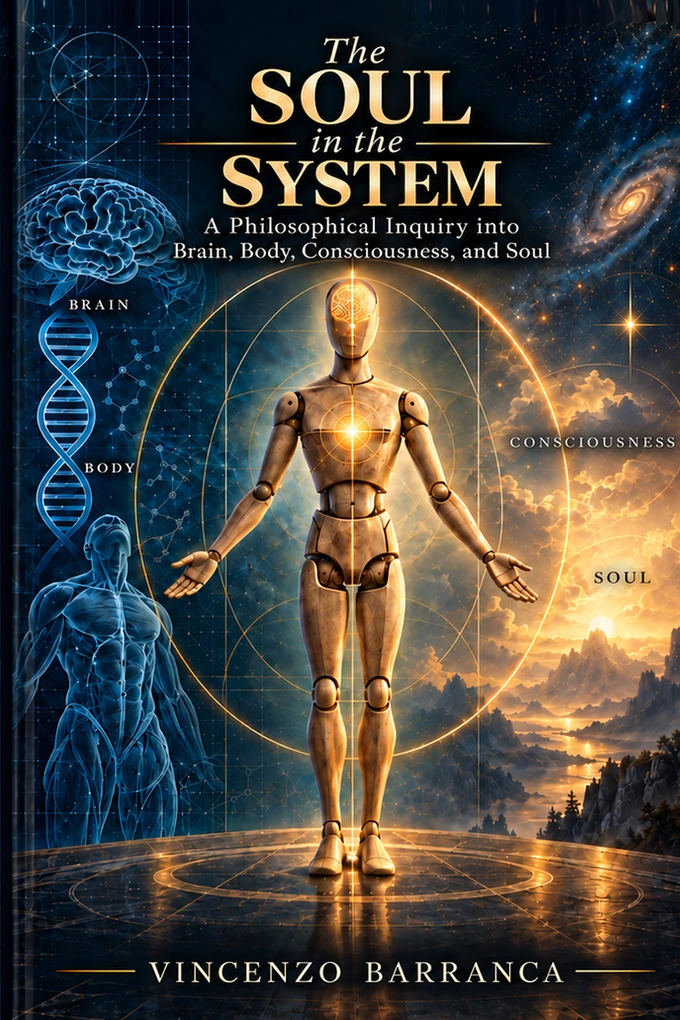
In The Soul in the System, artist and programmer Vincenzo Barranca takes that question apart. He examines the brain, body, consciousness, and soul individually before asking how they might fit together. Drawing on studies of people with a split brain and research on prosthetic limbs, he considers how the brain makes sense of what the body is doing. He also asks how much of who we become is shaped by the sensations, abilities, and limits of living in a particular body.
Barranca then considers experiences that can change our sense of where we are. He looks at dreams and meditation alongside accounts of awareness outside the body or near death. He weighs what researchers can measure, what people remember and describe, and how much we can reasonably infer from either. Philosophy, spiritual traditions, and personal experience help him frame the questions that remain open.
Consciousness, as Barranca uses the term, is the awareness that experiences life. In his proposed model, the soul is the enduring individual who has that awareness. The soul anchors that awareness to a particular brain and body and serves as a translator, making it possible to experience and act through them. Barranca also considers the idea of a memory veil, which would limit access to a wider history during a lifetime. He asks how those limits might affect what we learn from our choices and what might endure after the body dies.
The inquiry invites readers to look closely at the assumptions they bring to questions of identity, including those shaped by science, faith, and everyday experience. How much of who you are depends on the body you live in, and what might it mean if that body is only part of the story?